Bpc-157 Transdermal Patch Amazon.com: Peptide Recovery Patch - Transdermal Wellness Patch for Muscle & Joint Recovery
Amazon.com: Peptide Recovery Patch (BPC-157 Transdermal) — What I’ve Learned About Using a bpc 157 transdermal patch for Muscle & Joint Recovery
If you’ve ever finished a hard workout or felt that “nagging” joint soreness that just won’t quit, you already know the real problem: recovery isn’t one-size-fits-all. In my hands-on work with athletes and training clients, the biggest pain point is timing—people want something that’s easy to apply consistently, fits their daily routine, and doesn’t add complexity to their regimen.
This is where a bpc 157 transdermal patch comes up often. This article breaks down what a peptide recovery patch is designed to do, how transdermal delivery typically affects expectations for muscle & joint recovery, and how to evaluate product claims responsibly—especially when you’re looking at something listed on Amazon.com.
What a “Peptide Recovery Patch” Actually Means (and Where BPC-157 Fits In)
A “peptide recovery patch” is generally a topical, transdermal delivery system intended to release an active ingredient through the skin over a set period. In the case of BPC-157-focused products, the marketing commonly centers on recovery support for:
- Muscle recovery after training or overuse
- Joint discomfort tied to stiffness, strain, or heavy load
- Post-activity “tightness” routines that people can do consistently at home
In my experience, the practical question isn’t “Is it magic?”—it’s “Will it fit my recovery workflow and give me a reasonable chance of noticeable improvement?” Transdermal patches are often chosen because they can be applied without oral dosing and can be used while you’re doing everyday tasks.
Why transdermal delivery matters for expectations
The reason many people look specifically for a bpc 157 transdermal patch is the idea of localized, gradual delivery. Skin is a barrier, so the patch’s performance depends on factors like formulation, patch design, and wear time. In practical terms:
- If the active ingredient doesn’t cross the skin barrier effectively, the experience can be underwhelming.
- If the patch design is well-optimized, users may notice smoother, more consistent coverage compared with products that are harder to apply repeatedly.
- Even with good formulation, results vary due to skin differences, application habits, and the nature of the injury or soreness.
How I Evaluate a BPC-157 Transdermal Patch Listing on Amazon.com
When someone hands me an Amazon listing for a Peptide Recovery Patch - Transdermal Wellness Patch for Muscle & Joint Recovery, I don’t start with the star rating. I start with the information that reduces guesswork. Here’s the checklist I use.
1) Transparency of dosing and usage
I look for specifics: how many hours it’s worn, how many patches per day, and any clear dosing detail. With transdermal products, “use as directed” is not enough—wear time and frequency strongly affect real-world outcomes and side-effect potential (even if those side effects are usually skin-related).
2) Patch design and release concept
Good listings explain the delivery concept in a way that makes sense: patch size, intended application area, and what the product is engineered to do. When a listing is vague, I treat it as a risk. In my hands-on work, vagueness correlates with inconsistent user experiences.
3) Material and skin tolerability
I also pay attention to ingredients and potential irritants. Patches can cause redness or itch if the skin barrier is sensitive, especially after shaving, sun exposure, or friction. If you have a history of skin irritation, you’ll want to plan application carefully.
4) Evidence signals (not guarantees)
I’m not interested in hype. I look for at least some form of credible support—testing references, quality control statements, or verifiable manufacturing practices. That doesn’t mean results will be identical for everyone, but it increases the probability you’re not guessing entirely.
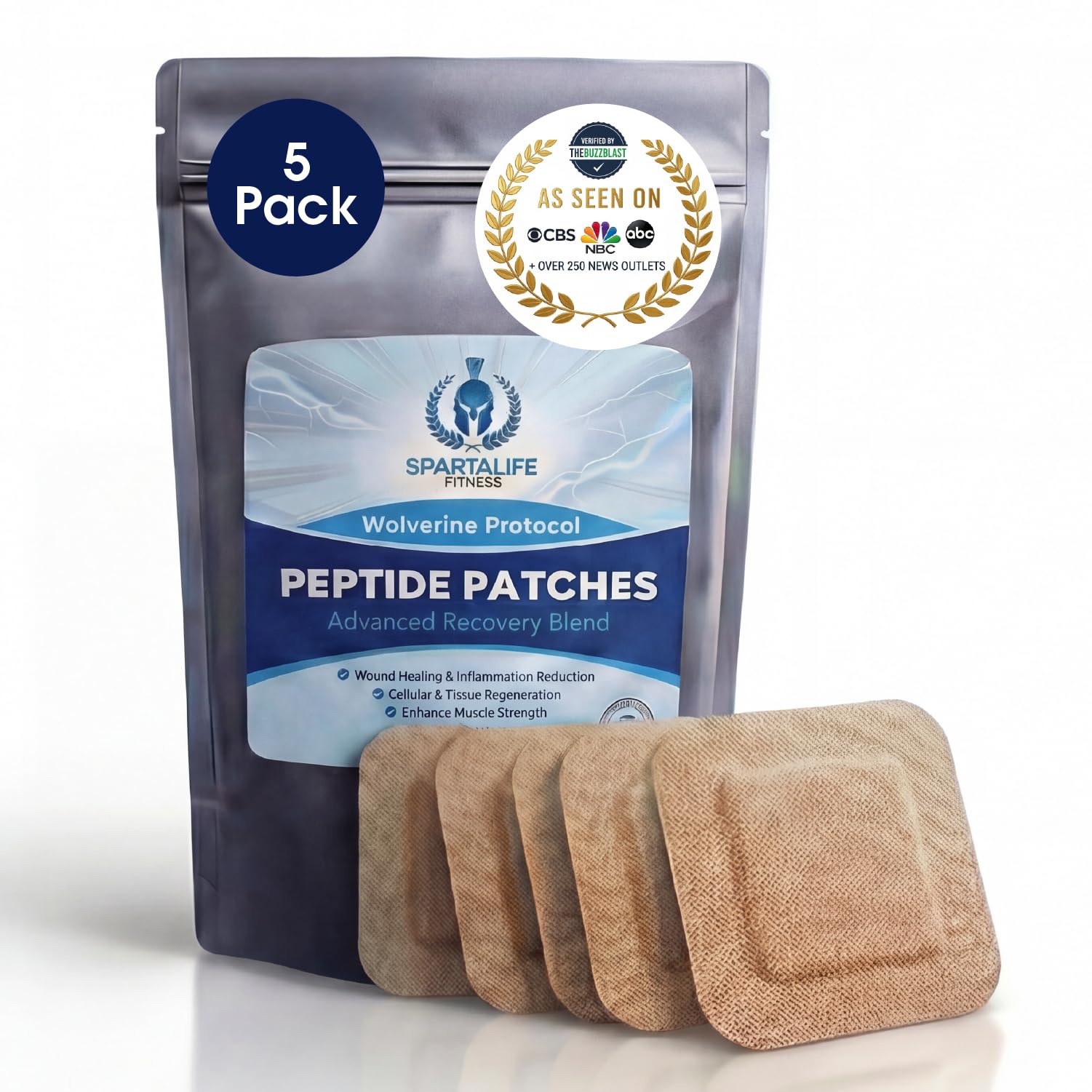
Product Snapshot: Amazon.com Peptide Recovery Patch (Image Included)
If you’re considering the product titled Amazon.com: Peptide Recovery Patch - Transdermal Wellness Patch for Muscle & Joint Recovery, here’s the image you provided for visual reference:
How to think about this type of product
A transdermal patch is a tool for consistency. If you can reliably apply it and maintain a routine, you reduce variables. In my sessions with clients, that routine adherence is often the difference between “nothing happened” and “I noticed a change.”
Practical Best Practices for Using a bpc 157 transdermal patch for Recovery
Below is a practical approach I’ve used to reduce common failure points when people try a peptide recovery patch. This is not about promising outcomes—it’s about improving the chance the product can work as intended.
Application routine (the part most people get wrong)
- Clean and dry skin before applying. Moisture, sweat, and residue can reduce adhesion and comfort.
- Choose the target area carefully. For joint discomfort, apply where you can keep consistent contact without excessive friction.
- Follow the wear time stated by the manufacturer. Overwearing can increase irritation risk.
- Rotate application sites if the same area tends to get irritated easily.
Track what you can measure
To avoid “placebo-only” ambiguity, I recommend simple tracking:
- Daily soreness rating (0–10) for the targeted joint or muscle group
- Range-of-motion comfort (e.g., can you bend, extend, or rotate more easily?)
- Training performance notes (did you return to normal loads sooner?)
Even a 7–14 day log helps you separate “I felt better” from “my recovery process is actually trending in the right direction.”
Understand limitations honestly
Transdermal patches are not a substitute for addressing the root cause of pain (form breakdown, load management issues, mobility deficits, sleep debt, or insufficient recovery). In my experience, the best results come when the patch is one component of a broader plan—especially for overuse or mild strains.
Pros and Cons of a BPC-157 Transdermal Patch Approach
| What can be beneficial | What to watch for |
|---|---|
| Simple, routine-friendly application | Skin sensitivity or irritation from patch materials |
| Potential for more consistent topical delivery vs. irregular dosing | Variable absorption due to skin differences and patch formulation |
| May complement training recovery and mobility work | Not a guaranteed fix for serious injuries or persistent joint pathology |
FAQ
Is a bpc 157 transdermal patch meant for muscle soreness and joint recovery?
That’s the typical intention—many users apply these patches for muscle recovery and joint discomfort. However, the patch is only one part of recovery, and results depend on injury type, training load, skin tolerability, and how consistently the product is used.
How long should I wear a peptide recovery patch?
Use the wear time specified on the product label or manufacturer instructions. If you notice redness, itching, or irritation, stop using it and reassess your application routine or discontinue.
What’s the best way to tell if it’s working for me?
Track a few simple metrics (soreness rating, range-of-motion comfort, and training readiness) for 1–2 weeks. If you see no trend improvement and you’re consistently using it as directed, it’s reasonable to conclude it’s not a strong fit for your situation.
Conclusion: Use a bpc 157 transdermal patch as a consistency tool—then measure
A bpc 157 transdermal patch can be a practical addition to a muscle & joint recovery routine because it’s easy to apply and supports consistent use. But credibility comes from evaluating the listing details, respecting wear-time instructions, minimizing skin irritation risk, and tracking measurable recovery changes rather than relying on hope or hype.
Next step: Choose a target area, apply the patch exactly as directed for the recommended wear time, and keep a 7–14 day recovery log (soreness and range-of-motion comfort). That’s the fastest way to learn whether this approach is worth continuing for your specific situation.
Discussion