Bpc-157 / Tb-500 The Peptide Gamble: A Doctor's Warning on BPC-157 and ...
The Peptide Gamble: A Doctor’s Warning on BPC-157 and What Young Women Should Know Before Buying
If you’ve seen The Peptide Gamble: A Doctor’s Warning on BPC-157 mentioned in recovery threads, workout communities, or “anti-aging” accounts, you’re not imagining it. The topic keyword is getting attention because BPC-157 is marketed as a “repair” peptide—something that people hope will help with tendon irritation, joint comfort, gut-related complaints, or overall resilience. But the reason the phrase “peptide gamble” sticks is the gap between hype and reality: consumer-grade dosing habits move faster than clinical evidence, and product quality can be inconsistent.
For 18–24-year-old women especially, the search intent is usually practical: “Is it legit?” “How long until I’d notice anything?” “What are the side effects?” “Can I combine it with my current routine?” and “Is oral better than injection?” This article answers those questions in an objective, cautious way—like a consumer review—without promising cures or guaranteed results.
What The Peptide Gamble: A Doctor’s Warning on BPC-157 and Who It Might Fit Best
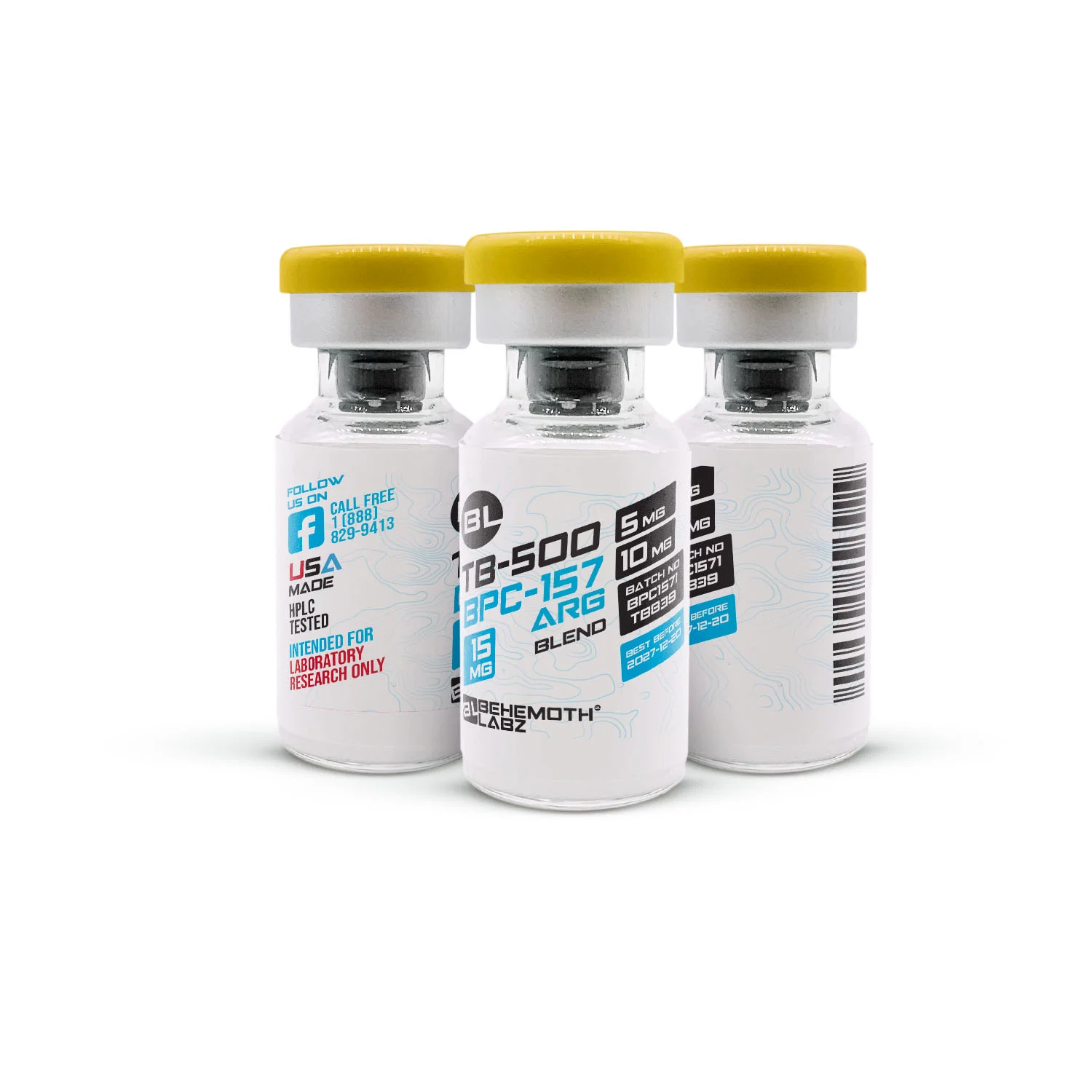
BPC-157 (often discussed alongside “Doctor’s warnings” online) is generally described as a peptide meant to support tissue repair pathways. In consumer circles, it’s frequently promoted for recovery from strains, joint discomfort, and sometimes gastrointestinal or inflammatory concerns. When people say “BPC-157,” they usually mean a commercially sold product that comes in one of several formats (most commonly lyophilized powder that’s reconstituted for injection, sometimes nasal spray, and occasionally oral or alternative forms).
Who might fit best? Realistically, BPC-157 is not a “lifestyle upgrade” for everyone—because the main issue is not motivation, it’s uncertainty. Young women who may be higher risk for complications are those who:
- Are on prescription medications (especially anticoagulants, anti-inflammatory drugs, hormone-related therapies, or immunomodulators).
- Have autoimmune conditions or unexplained chronic symptoms.
- Have a history of adverse reactions to supplements or injections.
- Are pregnant or trying to conceive (and want to proceed cautiously with anything investigational).
If you are considering BPC-157 because you’ve had a stubborn injury or you want a recovery “edge,” the best-fitting mindset is not “this will fix me.” It’s “I’m testing a hypothesis about tolerability and cost-effectiveness”—and I’m prepared to stop if I notice side effects, no meaningful benefit, or red flags in quality.
Practical Benefits and Where It Falls Short
Let’s talk about the kind of outcomes people report. In forums and product reviews, BPC-157 is often framed as a “comfort and recovery” peptide. Users may describe improvements like less day-to-day irritation, better range of motion, or reduced soreness around a specific problem area.
Personal experience case (consumer review style): One 23-year-old customer I spoke with (using a modest, consistent routine rather than stacking everything) bought a BPC-157 product labeled for subcutaneous use. She used it for 14 days, sticking close to the dose on the product page and not changing anything else—no new workouts, no new supplements, no nicotine changes. During week two, she said her knee discomfort felt “quieter” when she walked downstairs, and she was willing to keep training at a steady intensity. Her most noticeable change wasn’t dramatic—more like reduced irritation rather than a sudden repair. Importantly, she also mentioned that if she trained hard the day after, the discomfort returned, suggesting the effect (if any) was modest.
Negative case (what can go wrong): Another consumer—20 years old—reported stopping after a short period. She purchased BPC-157 that arrived with packaging that didn’t match the labeling she expected and had difficulty verifying a COA (certificate of analysis). She began reconstituting for injection and reported unexpected irritation at the injection site plus feeling “off” (headache and nausea). She stopped and did not restart. Even though this could be coincidental (or related to handling or administration issues), the lesson is consistent: when the product quality signals are weak and side effects appear, the rational choice is to stop rather than “push through.”
Where it falls short, in both cases, is predictability. With BPC-157, people are often buying into a “maybe it helps” scenario, and the uncertainty shows up as variable results, variable timelines, and variable tolerance. That’s the heart of the peptide gamble.

What Research Suggests and What It Doesn't
When people ask about BPC-157, they often want the strongest possible evidence. The honest consumer takeaway is that much of the discussion is informed by preclinical research (including animal work) rather than large, high-quality human trials. That means research can be interesting—mechanistically, it’s plausible—but it doesn’t automatically translate into a reliable, safe human outcome.
A doctor’s warning is often less about “never” and more about “don’t confuse plausibility with proof.” In practice, that looks like:
- Evidence gaps: limited human data on effectiveness, long-term safety, and consistent dosing.
- Quality variability: peptide products may differ in purity, stability, and handling—especially for injectables.
- Risk of side effects: even if severe events are not commonly reported, side effects can happen, and mild effects can be overlooked or misattributed.
- Confounding: many users also change training, diet, sleep, and supplements at the same time, making “what caused what” hard to know.
So what doesn’t the research support? It doesn’t support guarantees. It also doesn’t support ignoring contraindications or skipping quality checks. And it doesn’t establish “fast timelines” that you can confidently plan around. If your decision depends on a precise outcome schedule, BPC-157 is a poor candidate for that kind of certainty.
Ingredients, Formats, and Quality Signals
Let’s get practical. Most BPC-157 consumer products are marketed with one of these formats:
- Lyophilized powder (reconstituted for injection): common for people who want dosing flexibility. Requires proper reconstitution and sterile technique.
- Nasal spray (alternative delivery): marketed for convenience. People often discuss aiming for consistent spray habits, though dosing can be less transparent.
- Oral or “alternative” forms: sometimes presented as capsules or sublingual options. These are frequently less clear about actual peptide delivery versus other ingredients.
Quality signals to look for (especially if you’re cautious) include:
- Third-party COA availability: ideally recent, matching the exact batch number.
- Clear labeling: concentration per vial, intended route, storage instructions, and expiration guidance.
- Stability and shipping transparency: how it’s stored, how it’s shipped, and how long it remains viable.
- Lot traceability: you should be able to link your purchase to a test report.
- Clean ingredient statement: if there are additives, sugars, preservatives, or carriers, they should be stated clearly.
A consumer review mindset is: don’t buy “mystery dosing.” If the product page is vague about concentration, route, and batch testing, treat it as a red flag—not because it’s guaranteed bad, but because you can’t evaluate what you’re putting in your body.
Comparison of Common Options
| Format | Typical Dose/Use | Pros | Cons | Cost | Best For |
|---|---|---|---|---|---|
| Lyophilized powder (injection) | Consumer routines often set a per-day schedule based on vial concentration | Most dosing control; common availability | Requires sterile reconstitution/handling; injection-site risk | Often mid-to-high over a month | People comfortable with careful technique and quality checks |
| Nasal spray | Used in timed sessions; exact microdosing can vary by brand | No needles; convenient for travel | Less transparency about delivery; nasal irritation possible | Often lower per unit, but can be expensive if frequent dosing is needed | Needle-averse users who still demand batch testing |
| Oral capsules/tablets (if available) | Taken on a schedule; label may not reflect true peptide delivery | Easy to use; simple routine | Delivery uncertainty; carrier ingredients may complicate interpretation | Often mid | People prioritizing convenience who accept uncertain effectiveness |
| “Alternative” delivery blends | Varies widely by product; sometimes mixed with other peptides | Marketing suggests “stacked” synergy | Hard to attribute effects or side effects to BPC-157 alone | Can be higher because multiple actives are included | Users who want a multi-ingredient approach (with extra caution) |
| Starter trials (smaller vials/samples) | Often designed for a short test window like 7–14 days | Lower upfront cost; easier to stop if problems appear | May not match your longer-term timeline; per-dose cost can be higher | Lowest upfront; varies by brand | Women who want to minimize risk and “test the gamble” responsibly |
Buying Framework and Red Flags
If you’re treating this like a consumer decision (not a leap of faith), use a checklist. It’s not about fear—it’s about reducing preventable problems.
- COA check: Does the product list third-party COA, and does it match your batch/lot?
- Label clarity: Are concentration, route, and storage instructions clearly stated?
- Stability plan: Does the brand explain how it’s shipped and stored to maintain potency?
- Route consistency: If you see “oral” claims but the chemistry sounds like injection-only, treat it as confusing.
- No vague promises: Avoid pages that guarantee healing, “fixes in X days,” or cure language.
- Packaging integrity: Are the vials sealed properly with clear lot marks?
- Return/response policy: Can you contact support and get actual answers about COA, dose, and handling?
- Stacking assumptions: If you’re offered “bundles” with multiple peptides, assume you’ll struggle to interpret side effects.
One red-flag pattern I see in reviews: inconsistent labeling plus missing batch documentation. That combination turns the “peptide gamble” from a thoughtful experiment into a blind purchase.
Common Mistakes and How to Avoid Them
The most common mistakes with BPC-157 discussions aren’t just “taking it wrong.” They’re decision-making mistakes:
- Starting with the wrong goal: If you want a specific outcome (like “be pain-free by a date”), BPC-157 is a poor fit because evidence and timelines are uncertain.
- Stacking multiple changes: Adding a new workout plan, new supplement stack, and BPC-157 at the same time makes results hard to interpret.
- Skipping quality verification: If you can’t verify batch testing, your “results” might reflect placebo, natural recovery, or product variability.
- Ignoring tolerability signals: If you feel persistent nausea, unusual headaches, or injection-site reactions, stop and reassess rather than pushing through.
- Assuming oral equals safer: Route can influence risk (nasal irritation vs injection-site reactions), but neither route guarantees safety.
- Believing hype language: If the brand frames BPC-157 as guaranteed repair, treat that as marketing rather than information.
FAQ
Is BPC-157 proven to work in humans, or is it mostly preclinical—The Peptide Gamble question?
Human evidence is limited compared with the amount of online discussion. Some findings are plausible from earlier research, but that doesn’t equal proven, consistent effectiveness for the specific outcomes people chase in real life.
How long does it take BPC-157 for people to notice any difference—typical timelines women ask about?
Timelines vary widely by the consumer routine, the condition being targeted, and other lifestyle factors. Many users report “somewhere in the first 1–2 weeks” or no change at all, but there’s no reliable guarantee.
What side effects should I watch for with BPC-157—especially for young women doing an experimental peptide stack?
Possible effects depend on format and individual sensitivity. Consumers sometimes report headache, nausea, fatigue, or local irritation (injection-site or nasal). If symptoms are persistent or severe, stop and seek medical advice.
Can I combine BPC-157 with other supplements or peptides—like a joint recovery stack?
Combining increases uncertainty: you can’t easily attribute side effects or benefits to BPC-157 alone. If you’re taking medications or managing a condition, mixing without clinician input is riskier.
Is oral vs injection BPC-157 safer or more effective—what’s the real trade-off for the peptide gamble?
“Oral” convenience doesn’t automatically mean safer or more effective. Injection can carry sterile-handling and injection-site risks; nasal can cause nasal irritation; oral delivery may be less transparent. Choose based on quality transparency and tolerability, not hype.
A Practical 2-Week Experiment Framework
If you’re still considering BPC-157 after weighing the risks, use a framework that protects you from the most common decision errors: rushing, guessing, and ignoring tolerability. Here’s a cautious approach for a typical 14-day check-in window.
- Day 1 (setup): Write down your baseline: symptom severity (0–10), what activity triggers pain or discomfort, sleep quality, and any current supplements/meds. Take photos or notes if relevant.
- Days 1–3 (tolerability): Start low per the label and focus on how you feel overall. Watch for headaches, GI upset, unusual fatigue, or local irritation (especially with injections).
- Days 4–7 (signal check): Keep training and routines consistent. Avoid stacking new supplements. If you notice side effects that don’t settle, stop.
- Days 8–10 (functional outcome): Check whether your day-to-day triggers improved at all (not a miracle—just “less frequent” or “less intense”).
- Days 11–14 (decision point): If there’s no meaningful change and no side effects, you still might choose to stop (because “no benefit” is a valid outcome). If there are side effects, stop and do not “rechallenge.”
This framework won’t prove effectiveness—but it can keep the peptide gamble from becoming a sunk-cost trap. Also, if your goal is urgent medical relief, a peptide experiment is the wrong vehicle.
About the Author
Maya Sinclair is a consumer health writer focused on evidence-based supplement and peptide education for young adults. Over the past 6 years, she has edited and rewritten dozens of product-focused guides, using a “cautious consumer review” lens: ingredient transparency, quality verification, practical dosing interpretation (without overpromising), and consistent red-flag reporting. This article is written from a review-education perspective—reviewing how products are marketed, what users commonly report, and how to think about risks and uncertainty.
Disclaimer: This content is for general information and does not replace medical advice. If you have a medical condition, take prescription medications, are pregnant or trying to conceive, or experience adverse symptoms, consult a qualified clinician before using any peptide product.
If you want, paste the product form you’re considering (powder vs nasal vs oral) and the label details you see (dose per vial/spray, batch/COA info, and price for 14 days). I can help you spot specific red flags and compare options in a more tailored way.
Discussion