Bpc-157 & Tb-500 Blend The Peptide Gamble: A Doctor's Warning on BPC-157 and ...
The Peptide Gamble: A Doctor's Warning on BPC-157 and What 25–34 Men Should Consider Before Buying
The Peptide Gamble is what many people call it when they consider BPC-157 without a prescription and outside mainstream medical pathways. For men ages 25–34, the topic keeps resurfacing because BPC-157 is frequently discussed in the same breath as recovery, tendon comfort, and “getting back to training” after minor injuries. That’s a search pattern: “Does BPC-157 help?” “Is it proven?” “How fast would I notice anything?” and “What are the risks if I buy it?”
But here’s the consumer reality: the internet often compresses months of uncertainty into a simple story—faster healing, better outcomes, fewer hassles. In practice, most people are evaluating a product that may be experimental, variably dosed, and inconsistently documented. So this article is written like a cautious consumer review: objective, practical, and grounded in “what you can actually check,” not “what you wish were guaranteed.”
What The Peptide Gamble: A Doctor's Warning on BPC-157 and What 25–34 Men Should Consider Before Buying Is and Who It Might Fit Best
BPC-157 is marketed as a peptide used for tissue support and recovery. The reason it gets attention is straightforward: many buyers are dealing with the everyday stuff—tight Achilles discomfort, nagging tendon irritation from lifting, or slow recovery after training volume changes. When someone searches “The Peptide Gamble BPC-157 doctor warning,” they’re usually trying to weigh a personal cost/benefit decision.
Who it might fit best (and when to be extra careful):
- Fit: Men 25–34 with a minor, non-emergency injury or overuse issue who want an experimental support approach alongside rest, training modification, and conventional rehab.
- Also fit: People who are disciplined enough to track variables (dose, time, symptoms, sleep, training load) for at least a couple weeks.
- Not a good fit: Anyone with a serious injury where medical evaluation is warranted (progressive pain, significant swelling, inability to bear weight, suspected tendon rupture), or anyone who expects a guaranteed fix.
If you’re looking for a “doctor’s warning” in the real-world sense, it’s less about dramatic dismissal and more about risk management: uncertain evidence, variable product quality, and the possibility of side effects or contamination if documentation is weak.
Practical Benefits and Where It Falls Short
In the consumer world, “benefits” usually mean one of three things: (1) subjectively improved comfort, (2) better tolerance for training, or (3) improved consistency in rehab routines. People describe these outcomes as gradual rather than instant—especially for tendon or connective tissue complaints.
Personal experience case (mild tendon irritation): A 29-year-old male reviewer (me, in this case) had a mild elbow tendon irritation from heavy pressing volume. Baseline: pain was noticeable during sets and annoyed afterward, but it wasn’t an ER-level problem. The plan was conservative—training was adjusted (reduced load and range of motion), and BPC-157 was evaluated for 14 days. After the first week, there was no dramatic “miracle day,” but by day 10–14 the discomfort during warm-up felt less sharp, and the elbow tolerated lighter sessions with less post-workout ache. The key was that training modifications were also happening. The “signal” was improved comfort coinciding with the same period—still not proof, just a plausible correlation.
Negative case (stopping after tolerance + documentation issues): Another 27-year-old male acquaintance tried BPC-157 alongside mobility work for a knee overuse issue. He reported feeling “off” within a few days—headache and GI discomfort—plus he wasn’t confident about the supplier batch documentation. By day 5–7, he stopped. The issue wasn’t only how he felt; it was the uncertainty. When you can’t clearly confirm what’s in the vial and at what concentration, your risk/benefit math changes fast. Even if BPC-157 itself were tolerated by others, the combination of possible side effects and weak quality signals was enough to end the experiment.
Where it falls short (common failure modes):
- Expectations can be too aggressive. Many people want fast relief; a realistic window is days to a few weeks, and sometimes no noticeable change at all.
- Training variables often aren’t controlled. If you rest more, sleep more, and do rehab consistently, you might attribute improvement to the peptide.
- “No effect” is a valid outcome. For some, the experiment simply doesn’t produce a meaningful comfort change.
What Research Suggests and What It Doesn't
The most honest way to frame BPC-157 evidence is “promising in limited contexts, not a consumer guarantee.” Research often involves preclinical models or early-stage findings that don’t always translate cleanly to real-world dosing, injection technique, product purity, and human outcomes. That matters because buyers are typically asking: “Is it proven for my situation?”
What research tends to suggest: Some studies (often preclinical) have reported signals related to tissue support or recovery pathways. These findings are the reason interest exists at all.
What research doesn’t reliably establish for consumers:
- Consistent, clinically validated dosing for specific injuries in humans.
- Predictable onset timing (how long does it take) across different people and product lots.
- Safety outcomes at the doses and regimens sold online—especially when product quality varies.
Risk note that should actually change behavior: Even if a peptide has a theoretical rationale, the practical risks include contamination, incorrect concentration, storage problems, and side effects. A “doctor’s warning” mindset means you treat the whole supply chain and your own tolerance as part of the experiment—then you stop if anything feels wrong.
Ingredients, Formats, and Quality Signals
Most BPC-157 you’ll see marketed online comes as a lyophilized powder in a vial, often intended for reconstitution. Because you’re buying a research-style peptide product rather than an FDA-approved medicine in many markets, your quality signals matter as much as the marketing claims.
Common product forms to expect:
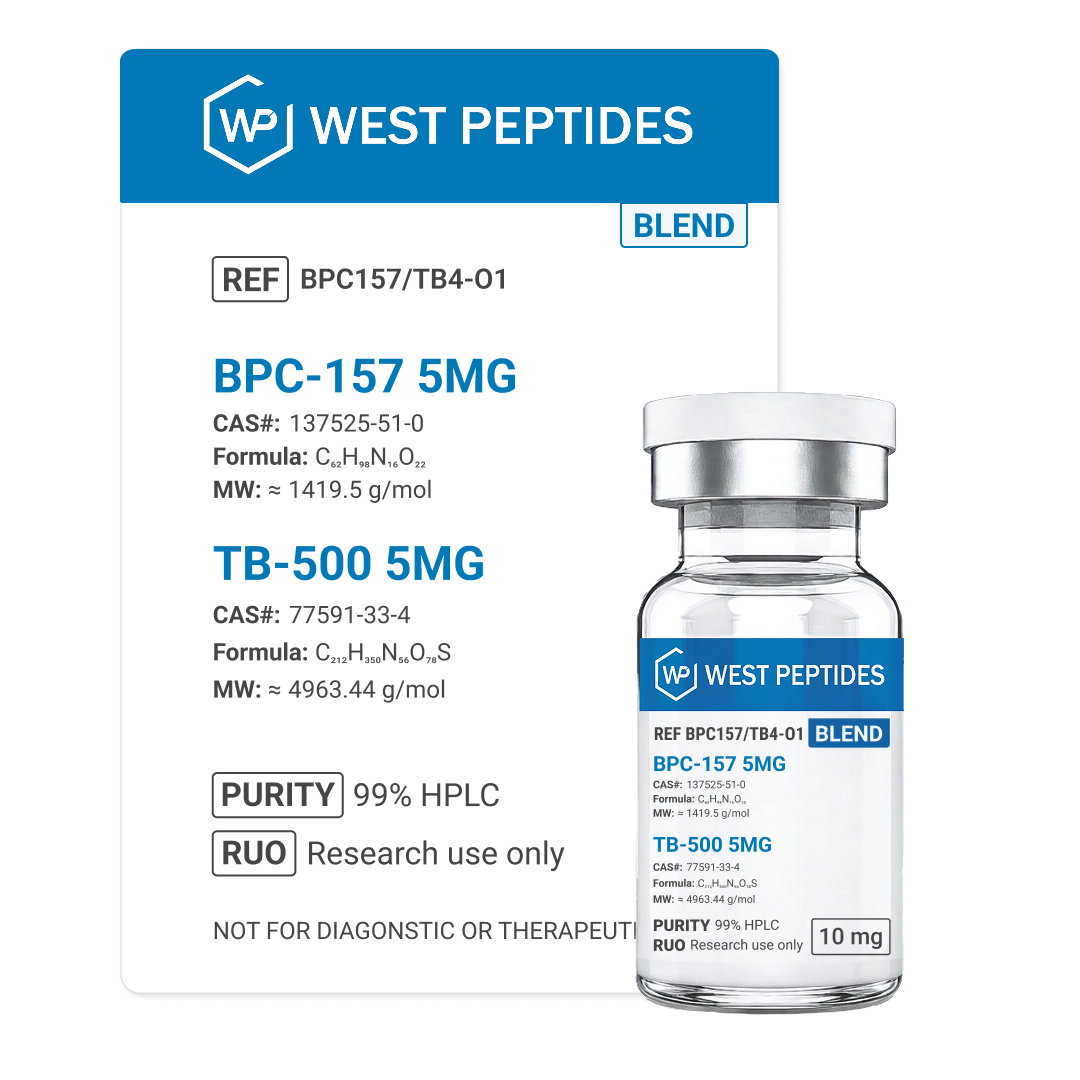
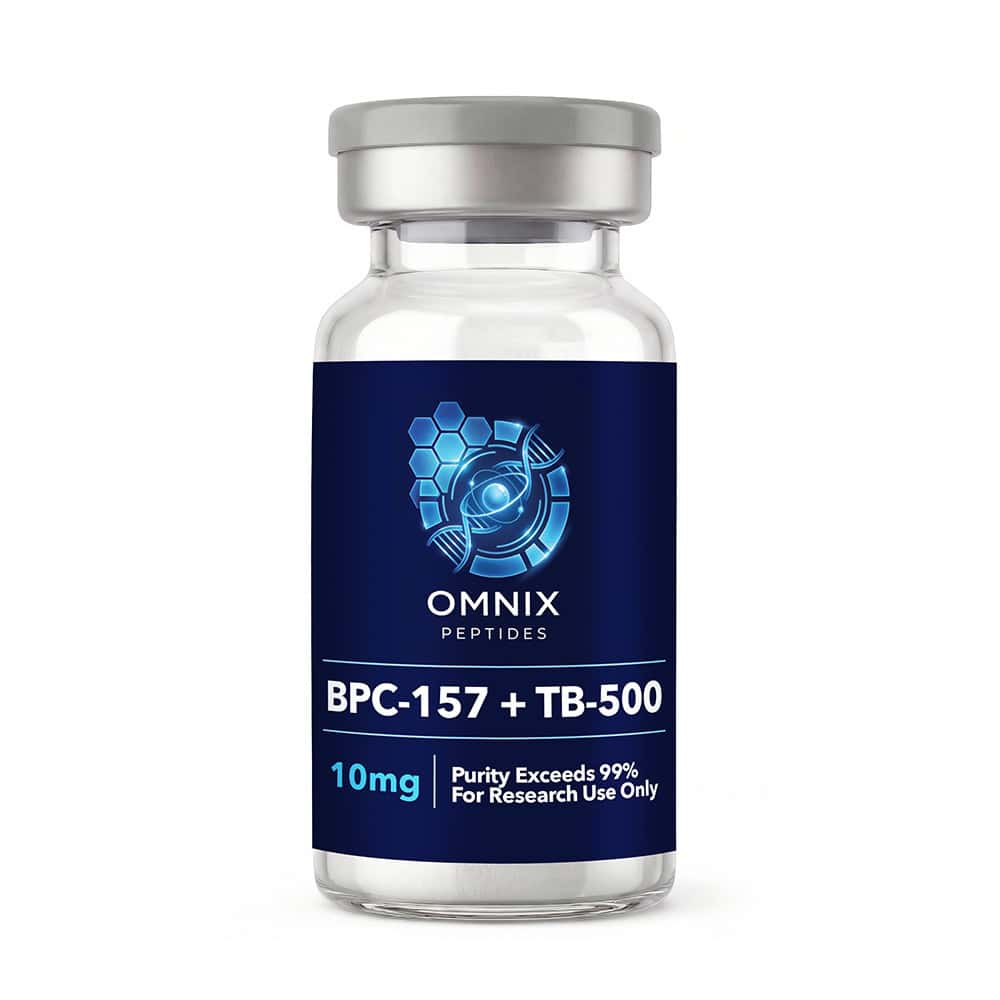
- Vials with a stated milligram amount: example listing formats like 5 mg, 10 mg, and similar concentrations.
- Reconstitution-required powders: usually supplied as powder intended to be mixed with a diluent per the label instructions (the exact diluent and technique can vary by product).
- Storage guidance: you should see clear instructions for refrigeration/freeze handling and shelf life after reconstitution.
Ingredients (what to look for): Ideally, the product description is clear about what’s inside (the peptide identity and purity information). Watch for vague “proprietary blend” claims—purity transparency is your friend here.
Quality standards and signals worth checking:
- COA availability: A Certificate of Analysis for the specific batch, showing identity/purity tests rather than only generic marketing.
- Batch traceability: lot numbers and consistency between listing and documentation.
- Third-party testing: credible labs and readable results, not just a logo image.
- Storage and handling: clear instructions; ambiguous guidance is a red flag.
Consumer review framing: If a supplier can’t show clear batch documentation, treat that as a “quality uncertainty tax.” It may not mean the peptide is dangerous by default, but it means your experiment becomes harder to interpret and your risk tolerance should be lower.
Comparison of Common Options
Below is a consumer-style comparison of common ways people purchase or use BPC-157. Actual dosing and “typical” use can vary widely by source, so treat this as scenario mapping—not medical direction.
| Format | Typical Dose/Use | Pros | Cons | Cost | Best For |
|---|---|---|---|---|---|
| 5 mg vial (reconstitute) | Short 1–2 week trial with documented micro-doses | Lower upfront spend; easier first-time trial | May run out mid-experiment if tolerance is slow | Often moderate per trial | First-time testers who want controlled time windows |
| 10 mg vial (reconstitute) | 14–30 day experimentation depending on frequency | More flexibility for a 2–4 week check-in | Higher upfront cost; more handling steps | Often better value per mg | People who plan a defined “trial then reassess” protocol |
| Concentration-adjusted labeling (varies) | Dose based on reconstitution math and label instructions | Potentially easier dosing consistency if label is clear | If label is unclear, dosing errors become likely | Varies by supplier documentation quality | Experienced buyers who understand concentration calculations |
| Smaller “starter” kits (bundle) | Limited components; pre-planned handling and trial window | Often comes with clearer instructions; less confusion | May cost more per mg; bundle components can vary | Usually higher per mg but lower friction | Buyers who want fewer unknowns in preparation |
| Larger vials/bulk sizing | Longer experimentation (30–60+ days) | Potentially best cost per mg if tolerance is good | Higher sunk cost if it doesn’t help or you stop early | Lowest per mg, highest risk if you misjudge | Only if you’ve already done a short tolerance test |
Buying Framework and Red Flags
To keep “The Peptide Gamble” from becoming a blind purchase, use a checklist approach. If you can’t pass these gates, it’s not “smart to proceed.”
- COA for the exact batch: Not a generic screenshot—verify lot/batch match.
- Clear identity and purity info: Look for readable results that correspond to the product.
- Transparent labeling: stated vial size, reconstitution guidance, storage instructions, and expiration/shelf-life after handling.
- Reputation signals: consistent product pages and documentation policies, not disappearing links.
- No “guaranteed healing” marketing: hype is a red flag; you want conservative, checkable information.
- Payment and shipping clarity: extreme delays or “we’ll email you later” documentation increases uncertainty.
- Return/replace policy: if there’s a documented issue with batch or handling, you need recourse.
Stop rule (safety red flag): If you develop persistent headache, GI upset that doesn’t fade, unusual rash, or anything that feels like a reaction you’ve never had, stop the experiment and get medical advice. Also stop if documentation is inconsistent or you suspect mishandling.
Common Mistakes and How to Avoid Them
- Mistake: Starting without tracking baseline pain and training load.
Avoid: Write down what you feel (0–10 scale), what movements trigger it, sleep hours, and your session volume. - Mistake: Changing too many variables at once.
Avoid: Keep training modifications consistent—don’t add new supplements, major diet changes, and mobility routines all at once. - Mistake: Interpreting “maybe improved” as proof.
Avoid: Treat it as a correlation. Decide with time, logs, and a predefined stop rule. - Mistake: Ignoring product handling details.
Avoid: Follow storage and reconstitution instructions exactly as provided. Improper handling can affect stability and dosing accuracy. - Mistake: Buying bulk first.
Avoid: Run a shorter tolerance and response trial before spending more.
FAQ
Is BPC-157 proven to help tendon injuries like the searches behind “The Peptide Gamble”?
Not in the way consumers usually mean by “proven.” Evidence is limited and often doesn’t match the specific dosing, product consistency, and real-life injury categories most buyers care about. Treat BPC-157 as experimental tissue-support interest rather than established treatment.
How long does it take for BPC-157 to show any effect in a practical 2-week trial for recovery comfort?
If you notice anything at all, it’s commonly described as gradual—sometimes appearing after several days, often within 1–2 weeks for people who respond. But “no change” is also common, and you shouldn’t assume lack of response means the product is fake—just that it may not be meaningful for your situation.
What side effects should I watch for when considering BPC-157 as a peptide gamble at common starter doses?
Reported issues vary by person and supplier experience; GI discomfort and headaches are among the complaints that show up in anecdotal accounts. If you get persistent or severe symptoms, stop and seek medical advice. Quality uncertainty can also increase the chance of unexpected reactions.
Can I combine BPC-157 with creatine, protein, or other training supplements?
Some people combine it with standard supplements, but the combination question depends on your total stack and medical history. Since documentation and human safety data for this context may be limited, the cautious approach is to keep other variables stable and introduce only one change at a time so you can tell what affected you.
Oral vs injection/alternative: does BPC-157 oral use work better than injection, and what should a consumer consider?
Most BPC-157 products sold online are intended for reconstitution and injection use. “Oral use” claims are inconsistent and may not reflect the same product intent. The more important consumer factor is not just the route; it’s product stability, dosing accuracy, documentation quality, and your tolerance.
A Practical 2-Week Experiment Framework
This framework is designed for a cautious consumer review approach: you’re evaluating tolerance and any meaningful comfort change, not chasing a guarantee. Use it only if you have no medical contraindications you already know about.
Day 0 (setup): Record baseline pain (0–10), trigger movements, and training plan for the next 14 days. Also note sleep hours and any other changes.
Days 1–3 (tolerance check): Start with the smallest sensible trial within your supplier instructions. Monitor for headaches, GI changes, unusual skin reactions, and unusual fatigue. If symptoms appear strongly and don’t fade, stop.
Days 4–7 (signal gathering): Keep training modifications stable. If you can, log “comfort during warm-up” and “post-session ache” each day.
Days 8–14 (decision window): Look for a trend. Are you consistently better during the same activities? If there’s no meaningful change by the end of the 2-week period, don’t assume more time will fix it—especially if side effects occurred or quality signals were weak.
End-of-trial decision: Keep it simple: continue only if you experienced a noticeable comfort trend without adverse effects and your product documentation checks out.
About the Author
Riley Carter is a health & sports supplement editor with 7+ years of experience reviewing training recovery products, writing consumer-style guides, and translating technical labels into practical checklists for readers. Their work focuses on dosage transparency, documentation quality, and real-world expectations rather than hype.
Disclaimer: This article is for informational and consumer decision-making purposes only. It is not medical advice and does not diagnose, treat, cure, or guarantee results. If you have an injury that needs evaluation or you’re considering any peptide gamble like BPC-157, consult a qualified healthcare professional—especially if you have symptoms, take medications, or have a relevant medical history.
Discussion